
OKC Lawn Rx
When aeration can help a lawn
Hard clay and thin turf can need air and seed — not more fertilizer alone. We currently offer weed control and fertilization only. We do not sell aeration or overseeding right now.
Educational notes only. We currently sell weed control and fertilization.
We do not sell aeration or overseeding right now
On eastern Oklahoma County lawns, hard soil, runoff, and worn paths often show up before a seed bag helps. Aeration opens the root zone so water and air can move. Overseeding adds living grass where light, water, and timing make establishment realistic. Those are useful lawn notes. Right now OKC Lawn Rx offers weed control and fertilization only.
When aeration belongs in the talk
Useful clues include soil that stays hard after rain, water that sheets off instead of soaking in, thin traffic lanes from pets or play, and lawns that never thicken despite feeding. A screwdriver that will not push into moist ground is a simple field check—not a lab result, but a useful signal.
Aeration will not invent sunlight under a dense tree canopy, erase an established weed patch, or replace missing irrigation. It belongs when compaction or surface sealing is part of the story.
When overseeding belongs in the talk
Overseeding helps when you need more living grass—not only more fertilizer on bare clay. Enough light, a workable watering plan, and the right seasonal window matter more than a package label alone.
Bermuda and fescue do not establish on the same calendar. Peak Oklahoma heat is usually a hard window for new seed. Cooler growth periods and aftercare capacity decide whether seeding is a fair next step.
Oklahoma clay, traffic, and heat change the job
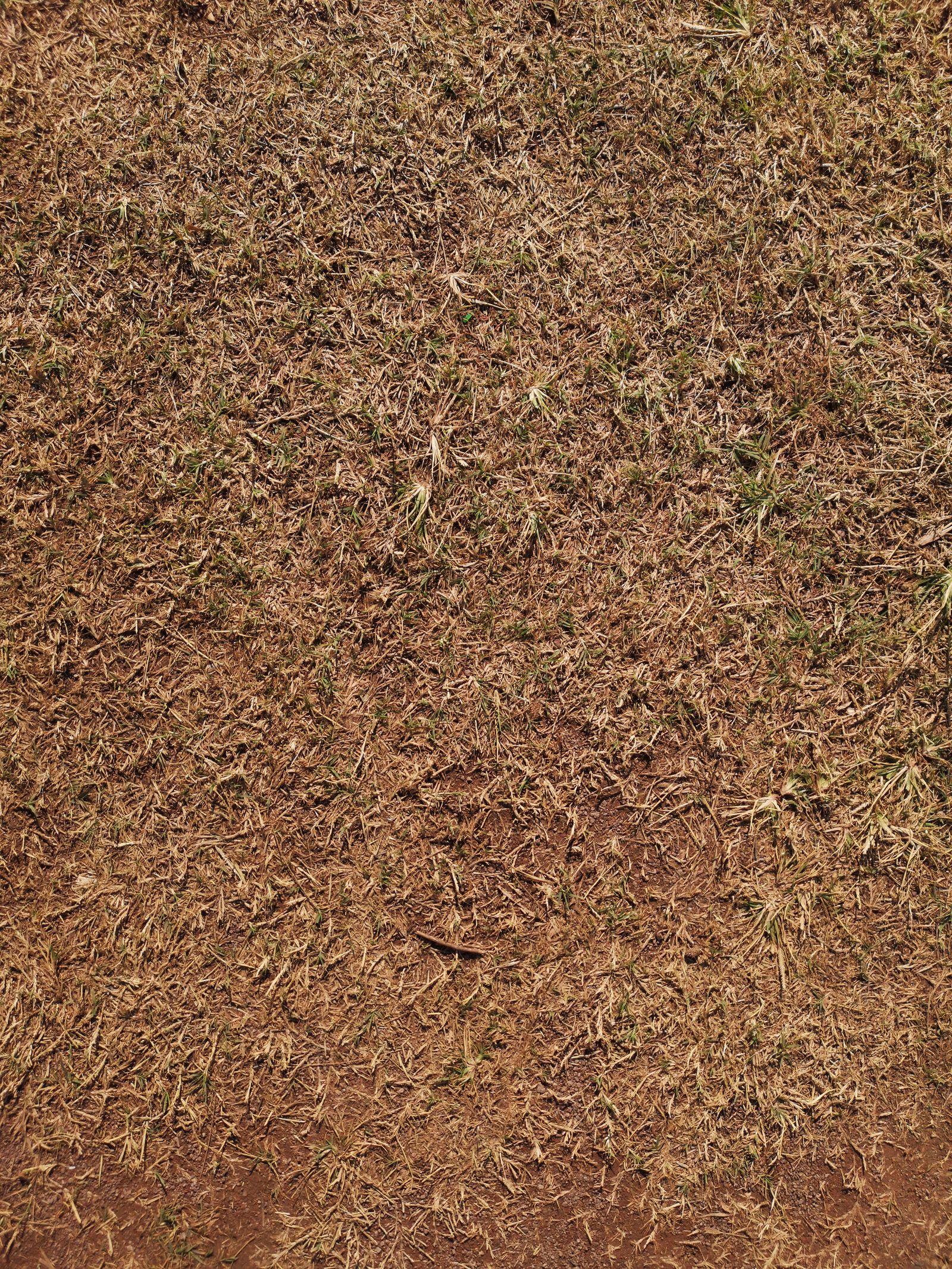
Clay can seal after rain, then bake hard in heat. Traffic paths and curb edges compact first. A middle lawn that still greens can hide a hard edge that sheds water and stays thin.
Tell us which part of the yard fails first: the curb strip, a pet path, a shaded corner, or a low spot that stays soft. That map is more useful than acreage alone.
What to share before the aeration conversation
- Bermuda, fescue, or a mix if known, plus sun vs shade on the thin areas
- Whether water ponds, runs off, or never seems to soak in
- Traffic, pets, parking, or play paths that stay worn
- Recent fertilizer, weed treatments, or seed attempts and approximate timing
- Whether bare soil is clay, dust, or still holding a little turf
- The full property address so we can confirm service fit
What we offer now
- Weed controlThree visits a year with pre-emergent on a full plan.
- FertilizationThree visits a year plus spot weed treatment.
- Not aerationWe do not sell aeration or overseeding right now.
Common questions
Do you treat lawns up to 4 acres?
Yes—for maintained residential turf up to about 4 acres. That is larger than many local spray routes are set up to handle. Total deed acreage is not the same as treatable lawn: woods, pasture, ponds, and rough ground usually sit outside the request.
Tell us roughly how much lawn you mow and want treated, plus access notes (gates, soft ground, parked vehicles). We confirm fit from the address and the maintained area—not from acreage alone.
Do you currently offer aeration or overseeding?
No. Right now we offer weed control and fertilization only. This page explains when aeration or overseeding can help a lawn. It is not a service we sell today.
Do aeration and overseeding always go together?
No. Aeration addresses compacted soil and movement of air, water, and roots. Overseeding establishes more grass. They can be paired when conditions support both, but one does not automatically require the other.
Describe hard soil, runoff, traffic, thin areas, shade, irrigation, and grass type. Bermuda and fescue establish differently in Oklahoma. We can explain whether the lawn needs compaction relief, new grass, or a staged plan.
When is aeration usually discussed in Oklahoma?
Timing follows the grass and its active growth more than one statewide date. Warm-season and cool-season turf recover at different times, and heat, drought, or saturated ground can move the window.
Tell us whether you have Bermuda, fescue, or a mix. We currently treat weeds and feed the lawn — we do not sell aeration right now.
How do I know if my soil is compacted?
Common clues include hard ground underfoot, water running off, standing water in low spots, thin turf on walkways, and difficulty pushing a probe into moist soil. Clay is common locally, but clay alone does not prove every lawn needs aeration.
Compare high-traffic and protected areas. Share those observations so we can decide whether compaction is likely for this grass and season.
Is overseeding useful in summer heat?
Peak Oklahoma heat is usually a hard establishment period because young grass needs consistent moisture. Whether overseeding makes sense depends on the grass being added, existing turf, shade, irrigation, and the weather window.
Photograph areas that stay thin through the year. We do not currently sell overseeding. Right now we offer weed control and fertilization.
Local service areas
We serve homeowners across eastern and southeast Oklahoma County. Property details help us confirm whether we can take care of the lawn.
Need weed control or fertilization? Share the street address and a phone number. Nothing is booked until you agree.
Request lawn help